
Carbon Oxygen Demand Standards

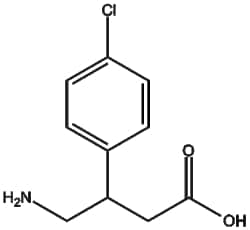
Apexbio Technology LLC (±)-Baclofen 1134-47-0 10g
( )-Baclofen (CAS 1134-47-0) is a selective agonist of the -aminobutyric acid type B (GABAB) receptor a G protein-coupled receptor involved in inhibitory neurotransmission Exhibiting an IC50 of 200 nM ( )-baclofen induces skeletal muscle relaxation and reduces spasticity by activating GABAB-mediated signaling pathways In cellular studies ( )-baclofen inhibits the proliferation of human hepatocellular carcinoma (HCC) cells in a dose-dependent manner induces G0/G1 cell cycle arrest and modulates intracellular cAMP and p21WAF1 expression In vivo it suppresses tumor growth in HCC xenograft models without evident toxicity ( )-Baclofen is thus valuable for investigating GABAB-mediated mechanisms in cancer and neuropharmacology


Apexbio Technology LLC Fuchsine base monohydrochloride 632-99-5 10g
Fuchsine base monohydrochloride (632-99-5) is a synthetic dye belonging to the triphenylmethane family It is designed for staining applications to visualize cellular and tissue components in histological and cytological studies Fuchsine base monohydrochloride exerts its biological activity primarily through binding with negatively charged groups particularly carboxyl-rich sites within cell structures Based on these properties Fuchsine base monohydrochloride holds research potential in biomedical cytological and histological applications for the analysis of tissue morphology cellular anatomy and biological process visualization
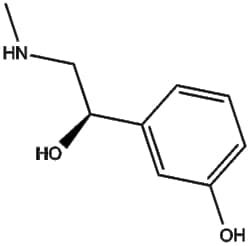
Apexbio Technology LLC L-Phenylephrine 59-42-7 10g
L-Phenylephrine (CAS 59-42-7) is a selective agonist of the adrenergic 1A receptor exhibiting a Ki of 1 4 M with markedly lower affinity for 1B (Ki 23 9 M) and 1C (Ki 47 8 M) subtypes In vitro L-Phenylephrine has been shown to reduce apoptosis in neonatal rat cardiomyocytes following hypoxia and serum deprivation and to stimulate proliferation in neural progenitor cells It also increases the cross-sectional area and modulates gene expression in rat neonatal cardiomyocytes In vivo local administration in rats induces cutaneous anesthesia through 1-adrenergic receptor activation and clinical data suggest oral administration reduces nasal airway resistance These properties make L-Phenylephrine a valuable tool for studying 1A-adrenergic receptor-mediated cellular responses
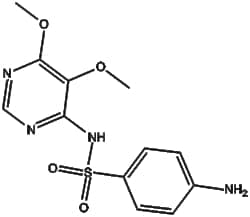
Apexbio Technology LLC Sulfadoxine 2447-57-6 10g
Sulfadoxine (CAS 2447-57-6) is a small-molecule inhibitor targeting dihydropteroate synthase It is designed to competitively inhibit this enzyme thereby disrupting folate biosynthesis in Plasmodium parasites Sulfadoxine exerts its biological activity primarily through inhibition of dihydropteroate synthase mediated folate synthesis In cell-based studies sulfadoxine demonstrates inhibitory activity against human immunodeficiency virus (HIV) replication within peripheral blood mononuclear cells (PBMCs) with an IC50 value in the micromolar range Based on these pharmacological properties sulfadoxine holds research potential in antimalarial drug investigation parasite metabolic pathway studies pathogen susceptibility assays antiviral pharmacological experiments and investigations of host-pathogen interactions and viral replication mechanisms
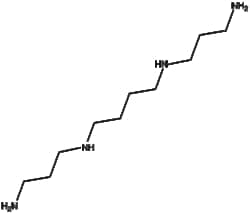
Apexbio Technology LLC Spermine 71-44-3 10g
Spermine (71-44-3) is a small-molecule inhibitor targeting inward rectifier potassium (K ) channels It is designed to block channel conductance thereby modulating cellular excitability and resting membrane potential Spermine exerts its biological activity primarily through direct inhibition of K channel function In experimental studies spermine demonstrates strong channel inhibition with an IC50 value of approximately 31 nM at a membrane potential of 50 mV in cloned IRK1 potassium channels Based on these pharmacological properties spermine holds research potential in potassium channel modulation neuronal excitability studies and investigation of neurological conditions associated with altered glutamatergic signaling and polyamine metabolism

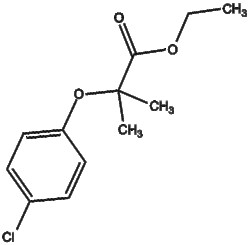
Apexbio Technology LLC Clofibrate 637-07-0 10g
Clofibrate (CAS 637-07-0) is a small-molecule agonist targeting peroxisome proliferator-activated receptor alpha (PPAR-alpha) It is designed to activate PPAR-alpha thereby regulating lipid and lipoprotein metabolism pathways Clofibrate exerts its biological activity primarily through PPAR-alpha activation leading to enhanced peroxisome proliferation and fatty acid oxidation In both human and mouse models Clofibrate demonstrates agonist activity with EC50 values of 55 M and 500 M respectively Based on these pharmacological properties Clofibrate holds research potential in investigating lipid metabolism triglyceride regulation and the roles of PPAR-alpha signaling in hyperlipidemia and related metabolic disorders
Apexbio Technology LLC HYPERSCRIPT IV RTASE-10000mg
HyperScript IV Reverse Transcriptase is a pivotal enzyme in molecular biology research primarily used in the synthesis of complementary DNA (cDNA) from RNA templates Originating from retroviral sources this enzyme is crucial for studies involving gene expression analysis cloning and RNA sequencing It operates through a mechanism that reverses the transcription process effectively converting single-stranded RNA into stable cDNA Its activity is measured in the nanomolar to low micromolar range demonstrating high efficiency and reliability under in vitro conditions This enzyme is extensively applied in various experimental settings including cell models animal studies and high-throughput drug screening assays Experimental concentrations typically depend on the specific research design Using this advanced reverse transcriptase researchers can achieve precise and reproducible amplification of genetic material facilitating significant advancements in biomedical research
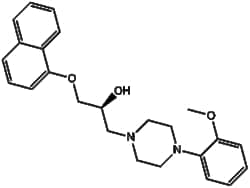
Apexbio Technology LLC Naftopidil 57149-07-2 10g
Naftopidil (CAS 57149-07-2) is a small molecule that functions as a selective antagonist of 1-adrenergic receptors By blocking these receptors naftopidil inhibits adrenergic signaling associated with smooth muscle contraction in the lower urinary tract and vascular tissues In clinical studies administration of naftopidil has been associated with significant improvements in international prostatic symptom scores demonstrating its impact on lower urinary tract symptoms Naftopidil is primarily investigated for its antihypertensive properties and its potential to ameliorate symptoms associated with benign prostatic hyperplasia making it relevant for research on urological and cardiovascular disorders